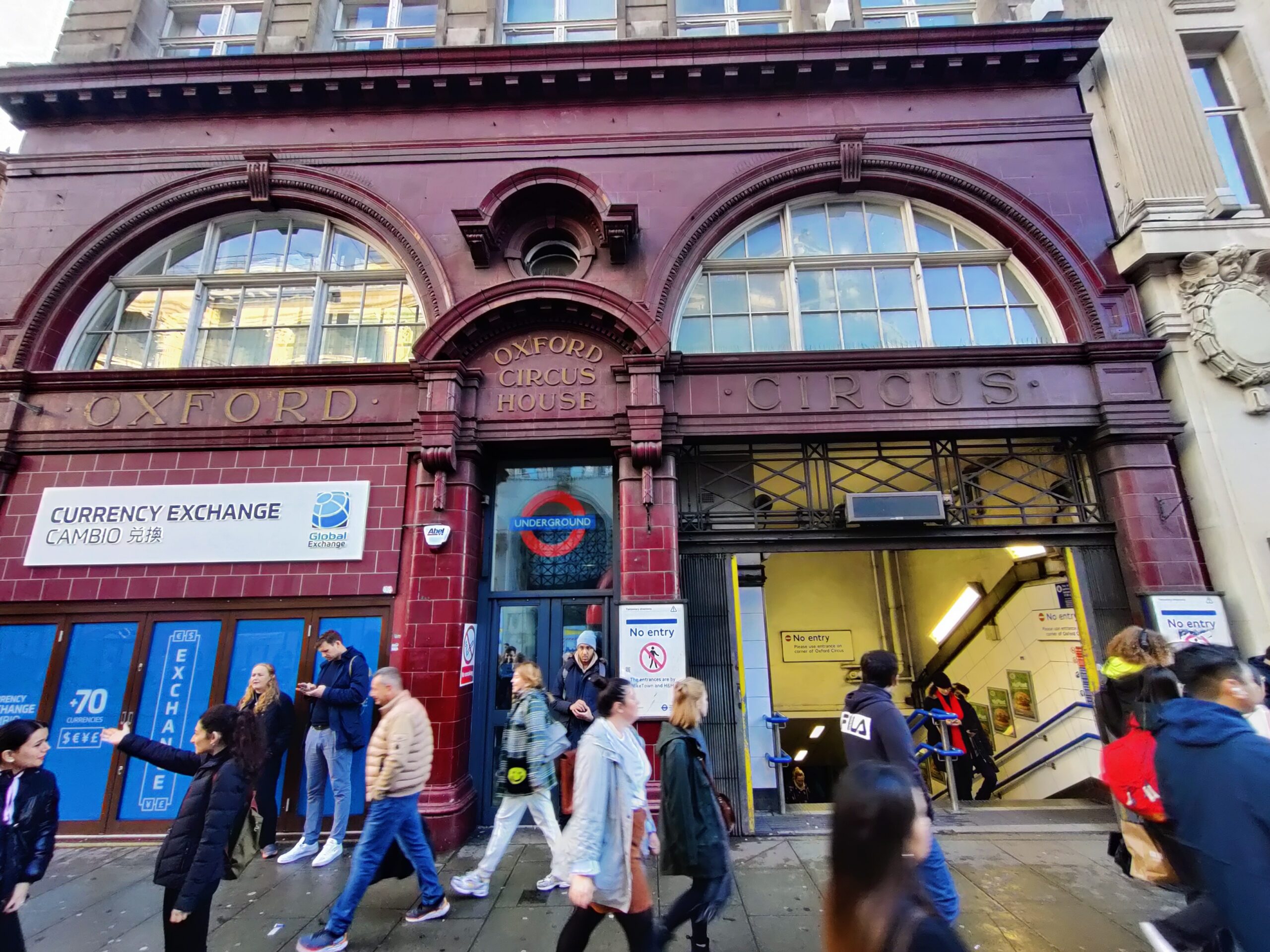
London does not reveal itself all at once. It never has. A city of eight million people, 170 free museums, 8 UNESCO World Heritage Sites, 3,000 parks, 200 theatres, the world’s oldest underground railway, more live music venues than any other capital on earth, and a food scene that has — quietly, completely — become one of the finest in the world. You could spend a week here and barely scratch the surface. You could spend a lifetime and not run out of new things to find.
This guide covers 101 things to do across London in 2026: the iconic, the unexpected, the free, and the unmissable experiences that make this city unlike anywhere else.
Royal London & Historic Landmarks
- Tower of London — A thousand years of English history compressed into one extraordinary fortress on the north bank of the Thames. The Crown Jewels, the armour collections, the medieval walls, the Yeoman Warder tours, and the ravens that legend says must never leave — all of it earns every minute you give it.
- Buckingham Palace & the Changing of the Guard — The official London residence of the monarch has been at the heart of royal life since 1837. The Changing of the Guard ceremony — foot guards in scarlet tunics and bearskin caps, a military band, the palace forecourt — is a set piece of ceremonial theatre unlike anything else in the world. Arrive 45 minutes early for a good position.
- Westminster Abbey — The coronation church of England since 1066, the burial place of 17 monarchs, and one of the most historically dense buildings in Britain. Poets’ Corner alone — containing memorials and graves of Chaucer, Shakespeare, Dickens, Hardy, and Kipling — is worth the entrance fee.
- Houses of Parliament & Big Ben — The neo-Gothic palace on the Thames, rebuilt in the 1840s after a catastrophic fire, is one of the masterworks of Victorian architecture. When Parliament is sitting, UK residents can watch debates from the public galleries for free; visitors can book guided tours. Big Ben’s tower, Elizabeth Tower, is best seen from Westminster Bridge at dawn.
- Tower Bridge — The most recognisable bridge in the world, completed in 1894, is still a working bascule bridge that lifts for river traffic several times a week. The Tower Bridge Experience allows visitors to walk the glass-floored high-level walkway connecting the two towers.
- Kensington Palace — The home of William and Catherine, and the childhood home of Queen Victoria, in the western edge of Hyde Park. The State Apartments, the Victoria Revealed exhibition, and the gardens are open to the public year-round.
- Hampton Court Palace — Henry VIII’s great riverside palace at Richmond, 35 minutes from Waterloo by train, with the most complete Tudor kitchens in Britain, the famous hedge maze, and a 60-acre baroque garden. One of the finest royal palaces in Europe and significantly less crowded than central London attractions.
- Windsor Castle — The oldest inhabited castle in the world, occupied continuously for 900 years, half an hour from London by train. The State Apartments, St George’s Chapel (burial place of ten monarchs), and the Long Walk through Windsor Great Park are all worth the journey.
- Marble Arch & Hyde Park Corner — Two of London’s most undervisited royal monuments: Marble Arch, originally the ceremonial entrance to Buckingham Palace, now stands isolated on a traffic island; Hyde Park Corner is home to the Wellington Arch and the most concentrated collection of war memorials in the country.
- The Ceremony of the Keys, Tower of London — Every evening for over 700 years, without interruption (a Luftwaffe bomb once delayed it by 30 minutes), the Chief Yeoman Warder has locked the Tower of London’s gates at precisely 9:53pm in a ceremony of impeccable antiquity. Free tickets must be booked months in advance. Worth every moment of effort.
World-Class Museums (Free Admission)
- British Museum — One of the greatest museums on earth, housing two million years of human history and culture under one roof. The Rosetta Stone, the Elgin Marbles, the Sutton Hoo helmet, the Lewis Chessmen, the Egyptian mummies, the Lindow Man — an inexhaustible collection in a magnificent neoclassical building. Allow a full day; return multiple times.
- Natural History Museum — A cathedral of Victorian science in South Kensington, with the blue whale skeleton in Hintze Hall, the dinosaur galleries, the earthquake simulator, and the extraordinary Wildlife Photographer of the Year exhibition. One of the finest natural history museums in the world and entirely free.
- Victoria & Albert Museum (V&A) — The world’s greatest museum of art and design, covering 5,000 years of human creativity across 145 galleries: fashion, ceramics, sculpture, textiles, jewellery, photography, and the finest collection of Renaissance and South Asian art outside their countries of origin.
- Science Museum, South Kensington — The Apollo 10 command module, Watson and Crick’s original DNA model, Stephenson’s Rocket, the first jet engine, and the IMAX cinema — the full sweep of human scientific achievement in six floors of expertly curated exhibitions. Irresistible for all ages.
- National Gallery — Over 2,300 paintings spanning 700 years of European art, from Botticelli and van Eyck to Turner and van Gogh. The Sainsbury Wing’s early Renaissance collection and Room 34’s Impressionists are among the finest museum rooms in the world. Free, on Trafalgar Square, open daily.
- Tate Modern — The world’s most visited modern art museum, in a former Bankside power station with a vast turbine hall used for ambitious temporary installations. Picasso, Rothko, Dalí, Warhol, Hockney, Louise Bourgeois — the permanent collection alone justifies the walk across Millennium Bridge.
- National Portrait Gallery — Reopened in 2023 after a major renovation, the NPG tells British history through the faces of its most significant people, from Tudor monarchs to David Bowie. The rooftop restaurant has one of the finest views of Trafalgar Square and the London skyline.
- Imperial War Museum — The finest museum of 20th-century conflict in Britain, with the permanent Holocaust Galleries, the World War I and II galleries, and a collection of personal testimonies and objects that make the human cost of war more immediate than any history book.
- Museum of London (The London Museum) — Now relocated to Smithfield Market in a major new development, the London Museum tells the complete 450,000-year story of London — from prehistoric settlement to the present city — in one of the most ambitious new museum openings in recent years.
- National Maritime Museum, Greenwich — The largest maritime museum in the world, in the baroque splendour of the Old Royal Naval College at Greenwich, with Turner seascapes, Nelson’s uniform from Trafalgar (still with the musket ball hole), and an extraordinary collection on Britain’s naval history.
Art, Architecture & Culture
- St Paul’s Cathedral — Christopher Wren’s masterpiece, rebuilt after the Great Fire of 1666, with the Whispering Gallery, the Golden Gallery at the top of the dome, and the crypt housing the tombs of Wellington and Nelson. The view from the Golden Gallery over the City of London is unmatched.
- The Shard — Western Europe’s tallest building (310 metres), designed by Renzo Piano, rising above London Bridge. The View from the Shard observation deck on floors 68–72 offers the most comprehensive panorama of London available — on clear days the view extends 40 miles. Come at dusk.
- Tate Britain — The original Tate gallery on Millbank, dedicated to British art from 1500 to the present: the finest Turner collection in the world (he bequeathed almost his entire output to the nation), along with Hogarth, Constable, Pre-Raphaelites, Hockney, and Francis Bacon.
- The Courtauld Gallery — A small, perfect gallery in Somerset House with one of the finest collections of Impressionist and Post-Impressionist paintings in Britain: Manet’s Bar at the Folies-Bergère, van Gogh’s Self-Portrait with Bandaged Ear, Gauguin, Cézanne, Degas — all in intimate rooms that feel nothing like a national gallery.
- Sir John Soane’s Museum, Lincoln’s Inn Fields — The former home and studio of the architect John Soane, preserved exactly as he left it in 1837, with every wall, ceiling, and corridor crammed with antiquities, architectural models, paintings, and curiosities — including Hogarth’s original Rake’s Progress series. One of London’s most extraordinary and least-known spaces. Free.
- Royal Academy of Arts, Burlington House — The principal venue for major art exhibitions in London, in a Palladian mansion on Piccadilly with a courtyard bronze by Koons and a permanent collection including Michelangelo’s Taddei Tondo. The Summer Exhibition (June–August), open to any artist to enter, has run since 1769.
- Barbican Centre — Europe’s largest performing arts centre, inside the Barbican Estate — the most ambitious example of Brutalist residential architecture in Britain. The Barbican’s programme of contemporary music, theatre, film, and visual art is world-class; its lakeside gardens and conservatory are among central London’s most peaceful spaces.
- Royal Opera House, Covent Garden — One of the world’s great opera and ballet houses, with the Royal Opera and the Royal Ballet sharing the 2,268-seat auditorium. Day tickets (released at 10am) offer some of the best cultural value in London; backstage tours are excellent.
- Shakespeare’s Globe Theatre, Bankside — A faithful reconstruction of Shakespeare’s original 1599 open-air playhouse on the South Bank, with oak-and-plaster construction and a thatched roof. Groundling tickets (standing in the open yard in all weathers) offer the most authentic version of Elizabethan theatre-going available anywhere in the world.
- Southbank Centre & the Royal Festival Hall — A sprawling cultural campus on the South Bank with the Royal Festival Hall, the Queen Elizabeth Hall, the Hayward Gallery, the BFI Southbank (for film), and a year-round programme of free foyer events, book markets, and festivals. The riverside terrace in summer is one of the finest free things in London.
London’s Neighbourhoods
- Covent Garden — The former fruit and vegetable market of London, now a piazza of street performers, boutiques, restaurants, the Apple Market for crafts, and the Royal Opera House. The best concentration of reliable street entertainment in central London.
- Notting Hill & Portobello Road — The iconic pastel-terraced neighbourhood, most famous for its Portobello Road Market (antiques on Saturday, general market through the week) and the annual Notting Hill Carnival — Europe’s largest street festival, held every August Bank Holiday.
- Shoreditch & Brick Lane — East London’s creative and cultural engine: the Old Truman Brewery complex, the Brick Lane curry houses, the Sunday Upmarket, the Rough Trade record shop, and a street art culture (Banksy’s roots are here) that transforms every available surface. The best neighbourhood in London for independent food, fashion, and art.
- Borough Market & Bermondsey — London’s finest food market, trading near London Bridge since the 13th century, with the full range of British and international artisan food and drink, surrounded by the most restaurant-dense streets in the capital. Walk south to Maltby Street Market for a quieter, local complement.
- Camden Town & Camden Market — The gothic, subculture, street-food market complex in north London that grew into a major tourist attraction while somehow retaining genuine edge. The Stables Market in the Victorian horse hospital stalls is the best section. The canal towpath walk from Camden to Regent’s Park is one of the loveliest in inner London.
- Greenwich — The historic dockside town southeast of the City is one of the finest half-day trips in London: the Old Royal Naval College (Wren’s painted hall is extraordinary), the Cutty Sark tea clipper, the Royal Observatory and Prime Meridian Line, Greenwich Market, and the park’s hilltop view over Canary Wharf. Arrive by river ferry from central London for the best approach.
- Mayfair & Savile Row — The most expensive square mile in London: the great galleries of Cork Street, the auction houses of Bond Street (Christie’s, Sotheby’s, Bonhams), the bespoke tailors of Savile Row, and the restaurants of Mount Street. The Ritz, Claridge’s, and the Connaught are all here.
- Soho & Chinatown — London’s most densely layered neighbourhood: a few square blocks containing Chinatown, Carnaby Street, the French House, the Groucho Club, the Ronnie Scott’s jazz club, dozens of theatres, independent cinemas, and a late-night energy that has resisted every attempt to smooth it out.
- Dalston & Hackney — The most vibrant nightlife neighbourhood in London, with a Turkish food culture on Stoke Newington Road, the Arcola and Hackney Empire theatres, the Rio Cinema, and a constellation of bars and clubs that are reliably among the best in the city.
- Kew & Richmond — Southwest London’s most civilised afternoon: Kew Gardens (the world’s greatest botanical garden), a pint in one of Richmond’s riverside pubs, and a walk on Richmond Hill with its protected view of the Thames — one of only two views in England protected by Act of Parliament.
Parks & Green Spaces
- Hyde Park & Kensington Gardens — The great royal park at the centre of London, with the Serpentine Gallery (contemporary art, free), the Serpentine lake, the Diana Memorial Fountain, Speakers’ Corner (Sunday morning free speech since the 1860s), and the equestrian magnificence of Rotten Row.
- Regent’s Park & Primrose Hill — The most formal of the royal parks, with an Inner Circle rose garden, the open-air theatre (summer Shakespeare), and the canal at its southern edge. Climb Primrose Hill for what many Londoners consider the finest free panorama of the city skyline.
- Richmond Park — The largest urban park in Europe, 2,500 acres of ancient woodland and open grassland with over 650 free-roaming red and fallow deer. The Isabella Plantation’s azaleas and rhododendrons bloom extraordinary pink and orange every May. A complete escape from the city, 30 minutes from Waterloo.
- Hampstead Heath — The most wild and romantic of London’s open spaces, 790 acres of ancient common land on the highest ground in the city, with bathing ponds (separate men’s and women’s ponds, open year-round), woodland walks, and Parliament Hill with its kite-flying and skyline view.
- Kew Gardens (Royal Botanic Gardens) — The world’s most important botanical research institution and one of its most beautiful gardens: 326 acres of plant collections from every continent, the Victorian Palm House, the Treetop Walkway, and the extraordinary Great Pagoda. A UNESCO World Heritage Site and one of the finest outdoor experiences in London.
- Battersea Park & the Peace Pagoda — The most underrated major park in inner London, with a Japanese Peace Pagoda beside the Thames, an outstanding art gallery (the Pump House), a children’s zoo, a boating lake, and the finest riverside walk in south London — from the park boundary to Chelsea Bridge and back.
- Victoria Park, East London — The East End’s great park, beloved by Hackney and Bow residents, with a boating lake, the Lido, and the site of many of London’s most famous open-air concerts. The Sunday market at the park gates is one of the best in east London.
The Thames & River Life
- Thames Path Walk: Tower Bridge to Westminster — The finest free walk in London: from Tower Bridge west along the South Bank, past City Hall, the Tate Modern, the Globe, Borough Market, the Tate’s riverside, the South Bank Centre, and the London Eye, to Westminster Bridge. Under 4 kilometres and an hour of continuous visual pleasure.
- Thames Clipper (River Bus) — The fastest and most enjoyable way to travel between Battersea, Embankment, Blackfriars, Bankside, London Bridge, Canary Wharf, and Greenwich. A regular MBNA Thames Clipper Oyster-card journey is one of the great functional pleasures of London, with a river perspective of the city inaccessible by any other means.
- Sunset from Waterloo Bridge — The view from the centre of Waterloo Bridge as the sun goes down behind Westminster is one of London’s defining visual experiences: the Thames bending west with the Houses of Parliament and St Paul’s dome on either bank, bathed in raking light. The novelist H.G. Wells called it the finest view in Europe.
- Canary Wharf & the Docklands — The transformation of the old West India Docks into a financial district of glass towers is one of the great urban planning stories of the late 20th century. The DLR ride through it — elevated on a Victorian railway viaduct — is an extraordinary piece of urban theatre.
- Little Venice & the Regent’s Canal — The confluence of the Grand Union and Regent’s Canals in Maida Vale, with narrowboats moored along the towpaths, waterside cafés, and the Puppet Theatre Barge. The walk or canal boat trip from Little Venice to Camden Lock (45 minutes) is one of the most pleasant low-key journeys in inner London.
Food, Markets & Drink
- Borough Market — London’s oldest and finest food market, in continuous operation since at least 1014, between London Bridge and Southwark Cathedral. The full range of British and international artisan food: bread, cheese, meat, seafood, vegetables, and prepared foods of outstanding quality. Thursday to Saturday.
- Maltby Street Market, Bermondsey — A smaller, more local alternative to Borough, running under the Victorian railway arches of Maltby Street on Saturday and Sunday mornings, with exceptional sourdough, specialist coffee, charcuterie, and street food from a rotating cast of London’s best producers.
- Columbia Road Flower Market, Bethnal Green — Every Sunday morning, a single east London street transforms into the finest flower market in Britain — stall after stall of cut flowers, house plants, and bulbs, the traders calling prices in the old East End market style. Arrive before 10am; leave with armfuls of something.
- Portobello Road Market, Notting Hill — Saturday antiques from Notting Hill Gate to Golborne Road: silver, ceramics, vintage clothing, furniture, books, and more eclectic objects than any other London market. The best stretches are under the Westway flyover and at the Golborne Road end.
- Bricklane Sunday Market & Sunday UpMarket — The Sunday street market on Brick Lane and the UpMarket in the Old Truman Brewery combine to make the best Sunday market experience in east London: vintage clothing, street food from every continent, records, art, and the lingering energy of Shoreditch’s creative community.
- Afternoon Tea at a Great Hotel — The Ritz, Claridge’s, the Savoy, Fortnum & Mason — London invented afternoon tea and continues to perform it with consummate style. Finger sandwiches, warm scones with clotted cream and jam, pastries, and excellent tea, in rooms of considerable grandeur. Book months in advance for the Ritz.
- Pub Lunch in a Great London Pub — London’s best pubs are among the finest rooms in the city: the Lamb & Flag in Covent Garden, the Dove in Hammersmith (the longest bar in England, according to the Guinness Book of Records), the Prospect of Whitby in Wapping, the Churchill Arms in Kensington, and the Jerusalem Tavern in Clerkenwell. A proper Sunday roast in any of them is a deeply London experience.
- Street Food at Kerb or Flat Iron Square — London’s mobile street food scene is the best in Europe. KERB markets at locations across the city, and the permanent street food village at Flat Iron Square near London Bridge, assemble a rotating cast of the most ambitious and diverse street food operators in the country.
- Dishoom, Carnaby or Kings Cross — The finest Indian restaurant in London, modelled on the old Irani cafés of Bombay, with a menu of extraordinary depth and a queuing culture that tells you everything. The bacon naan roll at breakfast is one of the definitive London food experiences.
- Fortnum & Mason, Piccadilly — The royal grocer, trading since 1707, on Piccadilly: four floors of teas, hampers, preserves, chocolates, wines, and luxury groceries in the most beautifully dressed food shop in Britain. The clock above the door, whose figures emerge on the hour, is London’s most elegant timepiece.
Theatre, Music & Entertainment
- West End Theatre — London’s West End is the finest concentration of theatre in the world, with over 40 major venues between the Strand and the Shaftesbury Avenue. Whether it is a long-running musical, a classic revival, or a new production at the National Theatre, seeing a show is the single most London thing you can do after dark.
- National Theatre, South Bank — Sir Denys Lasdun’s Brutalist masterpiece on the South Bank houses three auditoria (Olivier, Lyttleton, Dorfman) producing theatre of the highest quality, with a free platform programme in the public foyers every weekday evening. Standby tickets for young people (under 26) are excellent value.
- Ronnie Scott’s Jazz Club, Soho — The most famous jazz club in Britain, in continuous operation since 1959 in the same Soho location, with a programme of international jazz and blues artists nightly. Arrive early; the late show on weekends has the most atmosphere.
- Royal Albert Hall, Kensington — The great Victorian concert hall on the south edge of Hyde Park, with a programme ranging from the BBC Proms (the greatest classical music festival in the world, running July to September) to rock, pop, and comedy. The Proms’ Last Night, with Elgar’s Enigma Variations and Jerusalem, is an emotional experience.
- The O2, Greenwich — London’s largest indoor concert venue (20,000 capacity) and entertainment complex, with the Up at the O2 experience — a guided climb across the fabric roof — as one of the city’s most exhilarating views. The approach along the Thames from North Greenwich station is dramatic.
- Electric Cinema, Portobello Road — The oldest working cinema in the UK (1910), restored to its full Edwardian elegance with leather armchairs, footstools, side tables, and a bar. Watching a film here is one of London’s most civilised small pleasures.
- BFI Southbank & the London Film Festival (October) — The British Film Institute’s Southbank complex has four screens dedicated to cinema of every era and tradition, with the London Film Festival in October bringing premieres, retrospectives, and director appearances for ten days.
- Proms at the Royal Albert Hall (July–September) — The BBC Proms is the world’s greatest classical music festival: 70+ concerts over eight weeks, with the Proms Arena floor of the Royal Albert Hall open to standing promenaders at £8 per ticket. The breadth of programming — from baroque to contemporary, world music to orchestral premieres — is unmatched anywhere.
History & Hidden London
- Churchill War Rooms, Westminster — The underground bunker beneath the Treasury from which Churchill directed Britain’s war effort, preserved exactly as it was on the day the war ended in 1945. The Map Room, the Cabinet Room, the telephone exchange, and the Churchill Museum together make the most immediately evocative war museum in London.
- Roman London: Mithraeum & London Wall — The ruins of Roman Londinium are scattered across the City: the reconstructed Temple of Mithras (Bloomberg SPACE, free), the sections of Roman wall visible in basements and gardens from Aldgate to the Museum of London, and the Roman amphitheatre beneath the Guildhall. London is 2,000 years old and the evidence is everywhere.
- Old Operating Theatre Museum, Borough — A 19th-century surgical theatre hidden in the roof of a church in Southwark, reached by a spiral staircase, where pre-anaesthetic operations were performed in front of medical students. The most unsettling and fascinating small museum in London.
- Dennis Severs’ House, Spitalfields — A Georgian terraced house in Folgate Street, preserved as if its fictional 18th-century Huguenot silk-weaver occupants have just left the room. An immersive, largely silent experience of extraordinary imagination — one of the most peculiar and affecting things in London. Open on selected evenings.
- Highgate Cemetery — A Victorian garden cemetery of extraordinary atmosphere, overgrown with ivy and populated by elaborate monuments, containing the graves of Karl Marx, George Eliot, Christina Rossetti, and Douglas Adams. The East Cemetery (containing Marx) is open daily; the West Cemetery (the gothic catacombs) by guided tour only.
- Sir John Soane’s Museum at Night — On the first Tuesday of each month, the museum opens until 9pm, candlelit, with no electric lighting. The sensation of candlelight on Soane’s collection of ancient marble, mirrors, and architectural plaster casts is completely unlike the daytime experience — one of London’s most magical free evenings.
- Leadenhall Market, City of London — A covered Victorian market in the heart of the City, with a soaring painted iron roof in green and burgundy, housing restaurants, wine bars, and boutiques. Recognisable as Diagon Alley from the Harry Potter films; even more beautiful in the original.
- Middle Temple & the Inns of Court — The lawyers’ quarter between Fleet Street and the Embankment: a medieval labyrinth of cobbled lanes, 17th-century staircases, garden squares, and the Middle Temple Hall where Shakespeare’s Twelfth Night was first performed in 1602. Open to the public outside court hours and almost entirely unvisited by tourists.
Day Trips from London
- Stonehenge & Bath — England’s two most extraordinary pre-Christian and Roman landmarks in a single day: the Neolithic stone circle on Salisbury Plain (still mysterious after 5,000 years) and the Georgian splendour of Bath, with the Roman Baths and the Royal Crescent. About 90 minutes from London by train to Bath.
- Oxford — The most beautiful university city in Britain, one hour by train from London Paddington. The Bodleian Library, the Radcliffe Camera, the Christ Church dining hall (used in the Harry Potter films), the Ashmolean Museum, and the punting on the Cherwell — a superb and very manageable day trip.
- Cambridge — Punting along the Backs beneath the Gothic and Baroque colleges of the Cam, visiting King’s College Chapel, the Fitzwilliam Museum, and the Eagle pub where Watson and Crick announced the discovery of DNA. An hour from London King’s Cross and compulsory on any extended London visit.
- The Cotswolds — A two-hour drive or coach trip from London into England’s finest pastoral landscape: golden limestone villages, thatched cottages, duck ponds, and proper country pubs. Burford, Bourton-on-the-Water, Bourton-in-the-Water, Chipping Campden, and Stow-on-the-Wold are the classic stops.
- Canterbury Cathedral — The Mother Church of the Anglican Communion, 58 minutes by high-speed train from St Pancras, with the shrine of Thomas Becket, the finest medieval crypt in England, and the medieval city walls largely intact.
- Brighton — London’s seaside city, one hour south from London Victoria: the Royal Pavilion (John Nash’s extraordinary Indian Gothic fantasy for George IV), the North Laine independent shopping district, the Brighton Lanes, the pebble beach, and a restaurant scene that punches well above its weight.
- Warner Bros. Studio Tour — The Making of Harry Potter — Not a theme park but a genuine studio tour of the sound stages, props, costumes, and sets where the eight films were made, in Leavesden, Hertfordshire. For fans and non-fans alike, the craft and scale of the production is impressive on its own terms.
Sports, Adventure & Unique Experiences
- Premier League Football — London’s six Premier League clubs — Arsenal, Chelsea, Crystal Palace, Fulham, Tottenham Hotspur, and West Ham — play home matches from August to May. A live match at the Emirates, Stamford Bridge, the Tottenham Hotspur Stadium, or the London Stadium is an electric experience of a very specific English kind.
- Lord’s Cricket Ground Tour, St John’s Wood — The spiritual home of cricket, owned by Marylebone Cricket Club since 1787, with the Long Room, the Father Time weather vane, the Victorian pavilion, and the greatest cricketing museum in the world. During a Test Match, Lord’s is among the most pleasurable places to spend a day in all of England.
- Wimbledon Championships (June–July) — The oldest and most prestigious tennis tournament in the world, played on grass in SW19 every June and July. Queue for ground-access tickets (the famous all-night queue on Aorangi Terrace) or ballot for Centre Court seats, then spend the afternoon on a patch of grass with strawberries and cream. Purely English, entirely wonderful.
- Up at The O2 — Don climbing harnesses and ascend the fabric roof of the O2 Arena with a guide for a view across the Thames, Canary Wharf, the City, and the south London skyline at a height of 52 metres. The most exhilarating viewpoint in London outside of the Shard and the London Eye.
- Cycling the Quietways or Regent’s Canal — London’s expanding network of low-traffic cycling routes makes the city increasingly navigable by bike. The Regent’s Canal towpath from Little Venice to Victoria Park is entirely car-free and one of the finest urban bike rides in Britain.
Hidden Gems & Unique Experiences
- The Barbican Conservatory — A tropical conservatory on the second floor of the Barbican Centre, housing 2,000 species of exotic plants in a Victorian hothouse arrangement, open most Sundays from noon. One of London’s best-kept secrets, entirely free.
- Two Temple Place — A jaw-droppingly ornate neo-Gothic mansion on the Embankment, built in 1895 for William Waldorf Astor, opens for a free art exhibition each January to April. The Great Hall’s carved walnut staircase and gilded ceiling are among the finest Victorian interiors in London.
- Crossrail Place Roof Garden, Canary Wharf — A free rooftop garden above the Elizabeth line station at Canary Wharf, planted with species from the same latitudes as London and enclosed in a wooden lattice canopy. A beautiful and entirely surprising green space in the heart of the financial district.
- Postman’s Park, City of London — A small Victorian churchyard garden near St Paul’s, containing G.F. Watts’s extraordinary Memorial to Heroic Self-Sacrifice: a covered loggia of hand-painted ceramic tiles, each commemorating an ordinary person who died saving a stranger’s life. One of the most quietly moving places in London.
- Columbia Road to Broadway Market Sunday Walk — Combine the Columbia Road Flower Market with the Broadway Market farmers’ market and food stalls, linked by a 15-minute walk through the quiet streets of London Fields — the best Sunday morning in east London, and entirely free.
- Gymnastics, Diving & Athletics at the Olympic Park, Stratford — The legacy venues of the 2012 London Olympics — the Aquatics Centre, the Velodrome, the London Stadium — now host regular public events and world-class sporting competitions in a park that has been transformed into a genuinely excellent destination.
- Kenwood House & the Open-Air Concerts — A neoclassical mansion on the edge of Hampstead Heath, housing one of the finest small art collections in London (Rembrandt’s self-portrait, Vermeer, Turner), with free-admission summer concerts on the lawn beside the lake. The combination of great art, parkland, and music is unique in London.
- A Night at the Proms’ Last Night — On the final Saturday of the BBC Proms, the Royal Albert Hall fills for a programme of British orchestral favourites — Elgar’s Nimrod, Jerusalem, Rule, Britannia — with an atmosphere of unironic, uninhibited patriotic emotion that is as baffling to outsiders as it is completely characteristic of England.
- Midnight on the Millennium Bridge — Walk the pedestrian bridge connecting Tate Modern to St Paul’s late at night, when the river is quiet and the dome of St Paul’s and the glass tower of 30 St Mary Axe (the Gherkin) are lit in the dark. The view in both directions is one of the best London has: a city simultaneously ancient and furiously modern.
- A Sunday Roast in a Great London Pub — The weekly ritual of the British Sunday: a large plate of roast beef, lamb, chicken, or pork, with roast potatoes, Yorkshire pudding, seasonal vegetables, and proper gravy, in a wood-panelled pub with a pint of ale. Try the Harwood Arms in Fulham (the only Michelin-starred pub in London), the Anchor & Hope on the Cut, or the Jugged Hare in the City.
- Watch the City Wake Up from Waterloo Bridge at Sunrise — On your last morning in London, set an alarm for 5am, walk to the middle of Waterloo Bridge, and stand there as the city emerges from darkness. The Thames turns silver. The dome of St Paul’s materialises through the mist. The towers of the City catch the first light. The Shard turns pink. A train crosses Hungerford Bridge. And London — complex, contradictory, inexhaustible, incomparable — reveals itself, once more, as one of the great wonders of the world.
Quick Facts for Visitors
| Best time to visit | April–June and September–October (mild, fewer crowds) |
| Summer | July–August — warmest, busiest, most expensive |
| Winter | November–January — Christmas lights, festive markets, shorter queues |
| Currency | British Pound Sterling (£) |
| Language | English |
| Getting around | Tap contactless on the yellow Tube readers; daily cap £8.50 (Zones 1–2) |
| Free museums | British Museum, Natural History Museum, V&A, Tate Modern, National Gallery — all free |
| Best free view | Parliament Hill, Hampstead Heath · Primrose Hill · Greenwich Park |
| Ideal trip length | 3–4 days for highlights · 7+ days to explore properly |
London is not a city you understand on a first visit. It reveals itself slowly, neighbourhood by neighbourhood, pub by pub, evening by evening. The more of it you give your time to, the more of itself it gives back. Go slowly. Walk more than you think you need to. And come back.