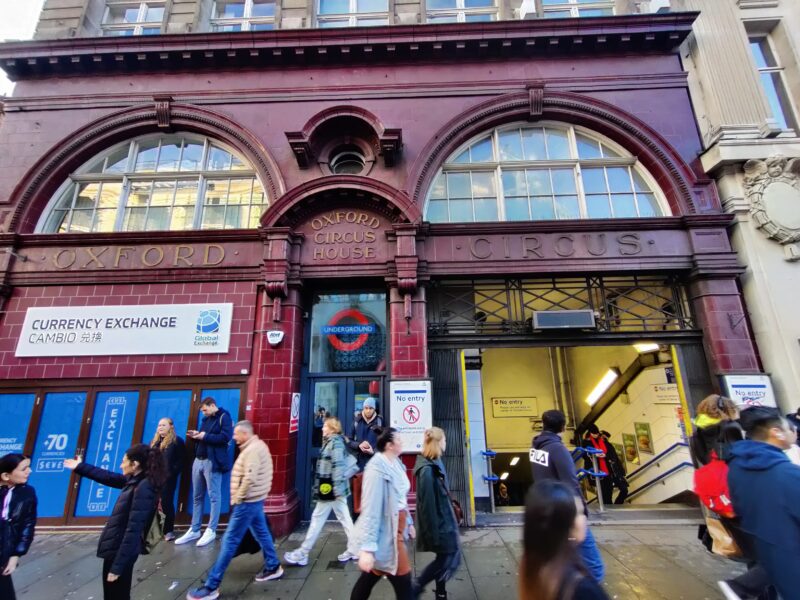
London did not become the world’s most exciting food city by accident. It happened because of geography, empire, immigration, and a critical mass of hungry people from every country on earth, cooking the food of home in a city that has always been indifferent to culinary nationalism. The same square mile of Soho has been Italian, Chinese, French, Greek, and now Japanese-Peruvian simultaneously, and at no point has anyone found this strange. The city that invented the modern restaurant, the private members’ club, and the gastropub has also absorbed and reinvented the biryani, the jerk chicken, the pho, and the sourdough pizza until each of them is as specifically London as a Routemaster bus.
London in 2026 is at the peak of something. The Michelin star count (now over 70 starred restaurants in the city) is the highest of any city outside France. The markets — Borough, Maltby Street, Brixton, Broadway — are the finest in Europe. The neighbourhood restaurant culture, from a corner roti shop in Wembley to a natural wine bar in Bethnal Green, has reached a quality and diversity that no other European city can match. And the price: London is expensive, but the value per pound (when you know where to go) is the finest of any capital in Western Europe.
This guide covers 101 essential eating experiences across London — from the City’s most ancient pie shop to the neighbourhood restaurants that the critics haven’t found yet, from an afternoon tea at Claridge’s to a £4 bánh mì in Hackney.
The British Classics
- Fish and Chips at a Proper London Chippy — The national dish, done properly: battered cod or haddock (the batter should be crisp and light, not thick and doughy), thick-cut chips with the right amount of soft interior and golden exterior, and a decision about mushy peas (correct) or curry sauce (northern, but acceptable). Poppies in Spitalfields (since 1952, with the original rock-and-roll memorabilia) and the Golden Hind on Marylebone Lane (since 1914, the finest sit-down chippy in the West End) are the most historically anchored addresses. Eat it wrapped in paper, standing up, immediately.
- The Full English Breakfast at a Greasy Spoon — The working breakfast of England: back bacon, two eggs (fried or scrambled), pork sausages, baked beans, grilled tomato, mushrooms, and white toast with enough butter to be medically inadvisable. The correct setting is a Formica-topped table, a mug of tea strong enough to stand a spoon in, and a tabloid newspaper. E. Pellicci on Bethnal Green Road (a grade-II listed Art Deco caff, family-run since 1900), the Regency Café in Westminster (the finest canteen-style English breakfast room in London), and the S&M Café on Portobello Road are the definitive addresses.
- Sunday Roast at a Gastropub or Pub — The Sunday roast is the most fiercely contested and most earnestly defended meal in English culture: roast beef (with Yorkshire pudding, horseradish, and proper gravy), lamb (with mint sauce), pork (with crackling and apple sauce), or chicken (with bread sauce), accompanied by roasted potatoes, root vegetables, and a medically generous quantity of gravy. The Anchor and Hope in Lambeth (the first gastropub to take the Sunday roast to Michelin-cited quality), the Bull and Last in Highgate (the finest roast in north London), and the Harwood Arms in Fulham (Michelin-starred, the finest whole pig roast in London) are the three most celebrated addresses.
- Pie and Mash at an East End Pie Shop — The oldest working-class food culture in London: beef minced steak in a shortcrust pastry, served with mashed potato and liquor (a parsley-and-eel-stock green sauce that is the most divisive condiment in the city). Manze’s on Tower Bridge Road (since 1902, the oldest operating pie and mash shop in London) and G. Kelly on Roman Road (since 1939) are the most historically intact. The cost is under £5; the cultural weight is incalculable.
- Jellied Eels at Tubby Isaacs, Aldgate — The East End seafood street food tradition that survived two world wars and the gentrification of everything around it: Thames eels boiled in spiced stock and allowed to set in their own gelatin, served cold with vinegar and white pepper. Tubby Isaacs on Goulston Street (the last street jellied eel stall in London) and the pie and mash shops that still serve them alongside the pie are the final addresses for a tradition that may not survive the decade. An acquired taste; an essential experience.
- Scotch Egg at a Borough Market Stall or Gastropub — The Scotch egg — a hard-boiled egg wrapped in seasoned sausage meat, coated in breadcrumbs, and deep-fried — underwent a London gastropub renaissance in the 2000s and has never left the menu since. The Borough Market version (with a runny yolk, which is the correct state) from the Scotch Egg Challenge stall and the homemade version at any London gastropub are the essential encounters. The combination of the crisp exterior, the sausage meat, and the warm yolk running into the breadcrumb is one of Britain’s finest snack achievements.
- Afternoon Tea at Claridge’s, the Ritz, or Sketch — The ritual of loose-leaf tea, finger sandwiches (cucumber and cream cheese, smoked salmon, egg mayonnaise), warm scones with clotted cream and strawberry jam (cream first in Devon, jam first in Cornwall — in London, no one cares), and a tiered stand of pastries and petits fours. Claridge’s in Mayfair (the most complete expression of the Edwardian afternoon tea, with the finest sandwiches in the city), the Ritz (the most celebrated, in the most beautiful room), and Sketch in Mayfair (the most theatrically designed) are the three canonical London addresses.
- Pasties, Steak and Kidney Pudding & the Savoury British Pie — The savoury suet pudding tradition of England: a steak and kidney pudding (minced beef kidney with chuck steak in a gravy, enclosed in a steamed suet paste) from Rules in Covent Garden (London’s oldest restaurant, operating since 1798), or a steak and kidney pie from the Windmill on Great Titchfield Street. The most historically English dish available in a London restaurant.
The Immigrant Food That Became London’s Own
- Chicken Tikka Masala at a Proper Curry House — The dish that the Foreign Secretary Robin Cook declared “Britain’s true national dish” in 2001 (whether it was invented in Glasgow or Birmingham is still contested; its adoption by the entire country is not): marinated chicken pieces in a creamy tomato-based sauce, flavoured with cumin, coriander, and garam masala. The Dishoom restaurants (the Bombay Irani café format, with the best chicken tikka masala currently in London) and Gymkhana in Mayfair (Michelin-starred, the finest upmarket Indian cooking in the city) are the definitive 2026 addresses.
- Biryani at a Tooting or Wembley Restaurant — The definitive argument for London’s outer-borough food culture: the biryani of Tooting’s South Asian restaurant corridor (Lahore Karahi on Upper Tooting Road, in continuous operation since the 1970s), the Hyderabadi dum biryani at Moti Mahal in Tooting, and the Pakistani biryani at the restaurants of Drummond Street near Euston. The distance from the tourist circuit is the point; the food is better.
- Roti and Curry at Roti King, Euston — Roti King in the basement of Doric Arch in Euston: the Malaysian roti canai (a flaky, layered flatbread cooked on a flat griddle in ghee, served with dal curry or a chicken curry of extraordinary depth) at a price point that should be impossible for central London. The queue begins before the doors open; the 45-minute wait is an entirely reasonable investment.
- Sri Lankan Hoppers at Hoppers, Frith Street, Soho — The Sri Lankan hopper — a fermented rice pancake cooked in a small wok to form a bowl shape, with an egg broken into the centre — at Hoppers in Soho: the short-rib kari (bone marrow dissolving into the sauce), the devilled potatoes, and the pol sambol (fresh coconut relish) are the essential order. The most influential opening in London South Asian cooking in the past decade, now with multiple locations but the original Frith Street retaining its authority.
- Salt Beef Bagel at Beigel Bake, Brick Lane — The 24-hour bakery on Brick Lane that has been open since 1974: the salt beef bagel (hand-sliced salt beef, mustard, and pickled cucumber, packed into a fresh-baked bagel at 3am or 3pm with equal conviction) is the finest cheap sandwich in London. The hot smoked salmon bagel is the second order; the plain bagels, warm from the oven, are the third.
- Vietnamese Pho at Song Que or Cafe East, Hackney/Deptford — The Vietnamese beef noodle soup of London’s Vietnamese communities: Song Que on Kingsland Road, Hackney (the Pho Mile that grew along the road from Hoxton to Dalston in the 1990s), and Cafe East in Deptford (the most celebrated Vietnamese restaurant in south London). The clear anise-and-cinnamon broth, the rice noodles, and the thin-sliced raw beef that cooks in the bowl are made to standards that the West End Vietnamese restaurants consistently fall short of.
- Dim Sum at Royal China, Baker Street or Mandarin Kitchen, Queensway — The Cantonese tradition in London: Royal China on Baker Street (the most consistently excellent dim sum in central London, with the best har gow and char siu bao in the city) and Mandarin Kitchen on Queensway in Bayswater (the finest lobster noodle dish in London — the Mandarin Kitchen’s lobster in ginger and spring onion is the single most recommended dish in any Chinese restaurant in the city). Weekend dim sum at a round table with bamboo steamers arriving in sequence is the most convivial Sunday morning in London.
- Jerk Chicken at a Brixton Market Stall — The most flavourful outdoor cooking in London: the jerk chicken vendor in Brixton Market (from Mama Cax, or from the stalls of Atlantic Road), where the chicken has been marinating in Scotch bonnet peppers, allspice, thyme, and garlic for 24 hours before going over the charcoal barrel. The smell reaches you from 100 metres; the combination of char, spice, and the specific sweetness of the allspice is entirely Jamaican and entirely London.
- Bánh Mì at Kêu Banh Mi Deli, Soho or Hackney — The Vietnamese baguette sandwich, adapted by French colonial influence on Vietnamese cooking: a split baguette (lighter and crispier than the French original, leavened differently) with pâté, pickled daikon and carrot, fresh cucumber, coriander, and a protein of Vietnamese pork, char siu, or tofu. Kêu in Soho and the Hackney Road Vietnamese bakeries produce the best £4 lunch in London.
- Turkish Lahmacun and Kebabs, Green Lanes or Dalston — The Turkish food corridor of north London: Stoke Newington’s Green Lanes (the longest continuous strip of Turkish cafés, restaurants, and bakeries in Europe) with the lahmacun (a thin, crispy flatbread with a spiced lamb topping, rolled with salad and lemon), the pide (boat-shaped flatbread with egg and cheese), and the slow-roasted döner at the Gökyüzü Restaurant on Green Lanes (the finest döner in London, with the long-cooked lamb and beef and the specific tang of the yoghurt sauce).
- West African Food at Zoe’s Ghana Kitchen or Eko Kitchen — The West African cooking of London’s Ghanaian, Nigerian, and Cameroonian communities: jollof rice (the pan-West African rice dish, with the smoky, tomato-based sauce that the Nigerian and Ghanaian versions contest hotly), egusi soup, grilled suya, and the extraordinary fufu-and-soup combinations at Eko Kitchen in Peckham. The Brixton, Peckham, and Lewisham corridor produces the finest West African cooking in Europe.
- Ethiopian Injera at Adulis, Brixton or Merkato, Kentish Town — The spongy sourdough fermented flatbread of Ethiopia and Eritrea, used as plate and utensil simultaneously, with the selection of wots (stews) — split pea, lentil, lamb tibs, chicken doro — arranged on top. Adulis in Brixton (the most historically established Ethiopian restaurant in south London) and Merkato in Kentish Town (the finest injera in north London) are the definitive addresses.
London’s Market Eating
- Borough Market: The Essential Circuit — London’s most famous food market, operating on its current site since 1756 (and in some form since the 11th century): the Neal’s Yard Dairy counter (the finest cheese selection in the city, with the most knowledgeable counter staff), the Monmouth Coffee queue (worth it for the Ethiopian single origin), Padella pasta (already described — the full bowl version at the restaurant is the more complete experience), and the Raclette Brothers cheese melted over new potatoes in the outdoor section. Thursday through Saturday; crowded by 11am. The free tastings at the Neal’s Yard counter alone justify the journey.
- Padella, Borough Market or Soho — The most popular pasta restaurant in London: the hand-rolled pici (a thick, irregular spaghetti) with cacio e pepe (Pecorino Romano, black pepper, and pasta water — a combination of simplicity and precision), made to order, the queue a fixed feature of the Borough Market experience since 2016. The new Soho location extends availability; the original Borough Market setting is the most atmospheric. The beef shin ragu with pappardelle is the second essential order.
- Maltby Street Market, Bermondsey, Saturday — The railway arch market under the Bermondsey arches that began as the Borough Market traders’ weekend informal stall and has become the finest concentrated food experience in south London: the Spa Terminus (the arch complex where Neal’s Yard Dairy matures its cheeses, where Monmouth roasts its coffee, and where the Saturday market operates from the arch doorways) produces the most genuinely artisan food experience available in London.
- Brixton Village and Market Row — The covered Victorian market in Brixton: the finest concentration of casual, independent restaurants in south London, in two covered arcades of former market stalls. Franco Manca (the original sourdough pizza restaurant, now a chain but still best in the original Brixton arch), Honest Burgers (began here), Granville (Caribbean cooking), and the Atlantic Road side with the jerk chicken and the Afro-Caribbean grocers constitute the most culturally complete market eating experience in London.
- Broadway Market, Hackney, Saturday — The east London Saturday market with the finest selection of artisan bread, cheese, and produce in the borough: the E5 Bakehouse bread stall (the finest sourdough in London, from a community bakery with its own grain mill), the Provisions cheese stall, and the street food from the permanent restaurants of the market street. Broadway Market at 10am on a Saturday morning, with a coffee from Climpson & Sons and a slice of E5 Bakehouse bread with butter, is the finest free food morning in east London.
- Kerb Kings Cross, Weekday Lunches — The street food collective at Granary Square in King’s Cross: the rotating roster of Kerb’s curated street food traders, with the finest fish finger sandwiches, Korean BBQ, and Trinidadian roti in central London. The King’s Cross food culture — with Coal Drops Yard’s restaurants and the Granary Square outdoor space — is the finest contemporary food destination in the city’s regenerated zones.
Neighbourhood Restaurants
- St John Bread and Wine, Spitalfields (or St John, Smithfield) — Fergus Henderson’s monument to British nose-to-tail eating: the restaurant on St John Street (opened 1994) that changed London cooking entirely by insisting that marrow bones on toast, roasted bone marrow with parsley salad, and the whole pig’s head should be the most serious food in the city. The Smithfield original remains London’s most influential restaurant; St John Bread and Wine on Commercial Street is the more accessible daily version. The eccles cake with Lancashire cheese is the city’s finest cheese course.
- Rochelle Canteen, Shoreditch — The restaurant in the bike shed of the former Shoreditch School, open for lunch and dinner by reservation and walk-in: Margot Henderson’s cooking (smoked mackerel with celeriac remoulade, duck egg on toast with brown butter and capers, a whole roast chicken for two with bread sauce) is the finest honest British cooking in east London, at prices that make it the most consistent value per plate in the neighbourhood.
- Bao, Lexington Street, Soho — The Taiwanese bao counter: pillowy steamed buns with a 12-hour braised pork belly, with a combination of textures and flavours — the soft, slightly sweet bun, the yielding meat, the peanut powder, and the pickled mustard greens — that is the best single bite on any London menu under £10. No bookings for groups under six; the queue is a London food institution in its own right.
- Dishoom, Multiple Locations — The Bombay Irani café format brought to London: the black daal (slow-cooked urad lentils with cream and butter, cooked for 24 hours — the finest single dish currently available at a restaurant chain in London), the breakfast naan roll (a garlic and coriander naan rolled around scrambled eggs and the Dishoom bacon naan alternative), and the lamb chops. The Covent Garden, King’s Cross, and Shoreditch locations each have the same menu; the King’s Cross railway station location is the finest in terms of architectural setting.
- Lyle’s, Shoreditch — James Lowe’s Shoreditch restaurant in the former Lyle’s Golden Syrup factory: the most important London restaurant of the past decade for its insistence on British seasonal ingredients, its relationships with specific farms and foragers, and its evolving daily menu that changes completely with the seasons. The buttermilk bread at the start is the finest bread service in London. Michelin-starred but entirely without formality.
- Oklava, Shoreditch — Selin Kiazim’s Turkish-Cypriot restaurant: the imam bayildi (slow-roasted aubergine with tomato and onion), the lamb börek (crisp pastry parcels of spiced lamb), and the charred flatbreads with muhammara (walnut and red pepper paste) represent the finest Turkish-influenced modern cooking in London. The influence of Cyprus on the menu gives it a specificity that Turkish and Middle Eastern restaurants in the West End consistently lack.
- Kiln, Brewer Street, Soho — The open-kitchen Soho restaurant cooking Thai and Burmese food over clay pots and a charcoal grill: the Burmese pork and cabbage relish, the Cornish lamb neck with Northern Thai spices, and the whole cured sea bass grilled over charcoal are the most discussed dishes. The closest London gets to the genuine char and spice of a Northern Thai clay pot. No reservations; arrive at opening.
- Brawn, Columbia Road, Bethnal Green — The East End wine bar and bistro from the St John extended family: the ham hock terrine, the devilled kidneys on toast, and the slow-cooked pig’s cheek are the most ordering options; the natural wine list is the finest in Bethnal Green. A Sunday lunch here, with the Columbia Road flower market outside the window, is one of the finest weekend meals in east London.
- Quo Vadis, Soho — The 70-year-old Soho institution that Jeremy Lee has made into the most personal and most literary dining room in the city: the smoked eel sandwich (the signature — an unassuming name for a remarkable construction), the potted shrimps with grilled toast, and the exceptional seasonal British menu. Karl Marx worked above the premises before it was a restaurant; the current incarnation is a more comfortable literary tradition.
- Bancone, Covent Garden — The Silk Road pasta restaurant in Covent Garden that has reinvented the Italian food canon with the finest fresh pasta programme in central London: the hand-folded walnut butter pasta, the smoked sea trout linguine, and the butternut squash tortelli are the essential orders. Better pasta than most restaurants in Italy at prices that make it the finest pasta value in London.
South Asian London
- Dishoom’s Black Daal — Already mentioned, but deserving its own entry: the Dishoom black daal (dal makhani — urad lentils slow-cooked with cream, butter, and tomato for 24 hours) is the most copied single dish in London. The closest comparison is the original at Bukhara in Delhi; the Dishoom version costs £7 and is available for breakfast, lunch, and dinner. Order it alongside the garlic naan with butter.
- Gymkhana, Mayfair — The Michelin-starred Indian restaurant in Mayfair that changed the way London thought about Indian fine dining: the kid goat methi keema (a dry-spiced mince with fenugreek), the venison seekh kebab, and the wild muntjac biryani (the seasonal biryani that uses British game rather than the standard subcontinental proteins) represent the most sophisticated Indian cooking in the city. Jacket, no tie required; the prices are Mayfair, the cooking is Lucknow.
- Gunpowder, Commercial Street, Spitalfields — The small, no-reservations Indian restaurant near Brick Lane: the Kashmiri lamb chops (marinated in a spiced yoghurt and cooked in the tandoor), the venison kofta curry, and the gunpowder potatoes with their yoghurt and tamarind. The most technically serious small Indian restaurant in east London, with the most focused menu.
- Tayyabs, Fieldgate Street, Whitechapel — The legendary Punjabi restaurant east of Aldgate that has been a destination for the city’s South Asian community since 1972: the dry-spiced lamb chops (grilled over charcoal until the exterior is slightly charred and the interior is still yielding — the finest single lamb chop in London), the masala fish (sea bass marinated in a dry rub and grilled), and the karahi gosht. No alcohol; bring your own wine or drink the lassi.
- Rasa N16, Stoke Newington — The original Keralan restaurant in London: the Thinnal (the Keralan set meal — a sequence of vegetable dishes, curry, rasam, and rice, each served in ceramic dishes rather than on banana leaf) at this long-running Stoke Newington address is the finest Keralan vegetarian meal in London, and the most complete South Indian vegetarian food experience in the city.
East Asian London
- The Clove Club, Shoreditch — Isaac McHale’s Michelin-starred restaurant in Shoreditch Town Hall: the buttermilk fried chicken with pine salt and fermented hot sauce (the single dish that defined the new London cooking of the 2010s, still on the menu), the Hebridean Lamb with lovage and spring onion, and the seasonal tasting menu of exceptional technical sophistication. The most influential restaurant of its decade in the city.
- Xu, Wardour Street, Soho — The Taiwanese restaurant from the Bao team: the tuna belly with braised taro and soy sauce, the Sichuan black bean clam, and the wild garlic and chicken dumpling in a chilli oil. The most technically ambitious Taiwanese restaurant in London; the cocktail programme (incorporating tea and Taiwanese spirits) is the finest in the neighbourhood.
- Koya Udon, Soho — The basement udon restaurant on Frith Street: the hot udon in a dashi-based broth with tempura, the cold udon with dipping broth and the finest quality dry-aged noodles. Koya introduced the Japanese approach to udon to London (not the thick, industrial-style noodle of airport Japanese restaurants, but the hand-stretched noodle of Kagawa) and has never had a quiet service since. Counter seating only; entirely worth the shared table.
- Kanada-Ya, Multiple Locations — The Japanese ramen chain (originally from Fukuoka) that produces the finest tonkotsu ramen in London: the 18-hour pork bone broth, the medium-thick noodle, the soft-boiled marinated egg, and the slow-cooked chashu pork. The Angel (Islington) location is the original; the St Giles location the most accessible from central London.
- Hutong, The Shard — The Northern Chinese restaurant on the 33rd floor of the Shard: the La Zi Ji (Sichuan fried chicken with dried red chillies and Sichuan peppercorn) and the crispy deboned lamb ribs with cumin and chilli are the most ordered dishes. The combination of the Chinese cooking and the view of the Thames from 33 floors is the finest fine-dining view in London.
- Yi Ban, Excel, East London — The Cantonese seafood restaurant by the ExCeL convention centre on the Royal Docks: the lobster with ginger and spring onion, the crispy shredded Peking duck with pancakes, and the steamed scallops with black bean sauce are the essential orders. The most underrated fine Chinese restaurant in London, with a location that keeps it entirely free of the tourist circuit.
Italian London
- Locanda Locatelli, Marylebone — Giorgio Locatelli’s Michelin-starred Italian in the Churchill Hotel: the risotto nero (squid ink risotto with cuttlefish and a garlic and chilli oil), the linguine with clams, and the rack of veal are the essential orders. The most technically consistent Italian restaurant in London over the longest sustained period.
- Trullo, Highbury — The neighbourhood Italian in Highbury Corner that defines the modern London trattoria: the pappardelle with slow-cooked beef shin ragu, the chargrilled whole plaice with capers and brown butter, and the tiramisu are the essential orders. The wine list (entirely Italian, entirely naturally fermented) is the finest Italian wine programme in north London.
- Cacio e Pepe at Bancone, Covent Garden — Already mentioned (item 36), but the cacio e pepe specifically: the dish that requires only Pecorino Romano, black pepper, and pasta water, and that almost every kitchen in London gets wrong. Bancone gets it right: the emulsification of the cheese and water producing a sauce that coats the pasta without becoming sticky or breaking.
- Franco Manca, Brixton (Original) — The sourdough pizza that changed London’s pizza culture: the Class 00 flour and natural yeast dough, fermented for 20 hours, cooked in a clay oven at 450°C, with a tomato and mozzarella (the Number 1, £6.50) that proves pizza does not require complexity. The Brixton Market original is the correct setting; the chain’s 40-plus other locations are acceptable substitutes.
- Lina Stores, Soho — The Italian deli on Brewer Street (since 1944) and its adjacent restaurant: the house-made pasta (the taglierini with truffle butter, the agnolotti with ricotta and lemon) and the deli counter (the finest fresh pasta, cured meats, and Italian pantry products in central London). The restaurant has expanded to multiple sites; the original Soho deli is the most historically significant.
French and European London
- The Wolseley, Piccadilly — The grand Viennese café on Piccadilly, opened by Jeremy King and Chris Corbin in 2003 in a former car showroom of extraordinary belle époque grandeur: the wiener schnitzel, the eggs Benedict, the beef goulash, and the pastries are the essential orders. The breakfast service (the finest hotel-style breakfast in London at non-hotel prices) and the afternoon tea are the most specifically Wolseley experiences. The room alone — black and white marble, the arches, the balcony — justifies a coffee.
- Brasserie Zédel, Piccadilly — Jeremy King’s underground brasserie in the basement of a Regent Street hotel: a vast Art Deco room serving classic French brasserie cooking (soupe à l’oignon, steak frites, brandade de morue, tarte Tatin) at prices that are genuinely impossible for the quality and the setting. The Prix Fixe menu (two courses for under £15) is the finest value formal dining experience in central London. The bar and the cabaret room are separately excellent.
- Blanchette, D’Arblay Street, Soho — The French small-plates bar in Soho: the gougères, the croque monsieur with Gruyère and truffle, and the jambon beurre baguette are the finest French bistro snacks in the neighbourhood. The wine list (Burgundy-focused, entirely natural) is the most specifically French wine programme in Soho.
- Gauthier Soho, Greek Street — The Michelin-starred plant-based restaurant in a Georgian townhouse in Soho: the tasting menu (the finest vegetarian fine dining programme in London) with the cauliflower velouté, the artichoke tart, and the pea and truffle risotto demonstrating that the precision of classical French technique applied to vegetables produces cooking as technically complex as any meat-based cuisine.
- Le Gavroche, Mayfair (Legacy) — The most historically significant restaurant in London’s food story: the Roux brothers’ Mayfair restaurant that trained almost every important British chef of the past 50 years closed in January 2024, but its legacy — the network of chefs who trained under its influence and now run London’s finest kitchens — is still the skeleton of the city’s fine dining world. The Greenhouse, the Square, and countless others operate in the shadow of the Gavroche tradition.
London’s Best Markets & Food Halls
- Neal’s Yard Dairy, Borough Market & Covent Garden — The finest cheese shop in the United Kingdom: the Neal’s Yard Dairy aged the first proper British artisan cheeses in the 1980s and has maintained the standard ever since. The Appleby’s Cheshire (the finest cloth-bound Cheshire available), the Montgomery Cheddar (the most complex farmhouse Cheddar), and the Colston Bassett Stilton (the most consistent blue cheese in Britain) are the essential purchases. The counter staff will cut you a taste of anything.
- Monmouth Coffee, Borough Market or Monmouth Street — The coffee roaster that introduced London to seriously sourced, properly roasted coffee in 1978 and has maintained the standard since: the Ethiopian single origin filter, the house blend espresso, and the coffee with whole milk from the ceramic cups at the Borough Market arch counter. The most historically important coffee address in London.
- Naughty Piglets, Brixton — The natural wine bar and small plates restaurant on Brixton Water Lane: the sharing plates (the leeks with salsa verde and manchego, the grilled hispi cabbage with anchovy butter) and the wine list (the most educationally structured natural wine programme in south London) make it the finest neighbourhood wine bar in the city.
- Brawn on Columbia Road — Already mentioned (item 34), but the wine list deserves specific attention: Ed Wilson’s natural wine selection at Brawn is the most eclectic and most affordably priced in east London, with producers from the Jura, Languedoc, and Austria that are unavailable elsewhere in the neighbourhood.
- Chez Bruce, Wandsworth Common — The most beloved neighbourhood restaurant in south London: Bruce Poole’s Michelin-starred modern European cooking (the roast duck with green peppercorn sauce, the tarte Tatin, and the cheese trolley — the finest cheeseboard in a London restaurant) in a converted Victorian corner restaurant on Wandsworth Common. The most successful long-running neighbourhood restaurant in the city.
Special Occasion & Fine Dining
- Core by Clare Smyth, Notting Hill — Three Michelin stars: Clare Smyth’s neighbourhood restaurant in Notting Hill is the most personally expressive fine dining restaurant in London. The potato and roe (a dish of supreme simplicity — a perfectly cooked potato with herring roe and smoked cream) is the most discussed single dish in London fine dining, a deliberate elevation of the most ordinary British ingredient to something extraordinary.
- Ikoyi, Strand — Two Michelin stars, Jeremy Chan’s west African-inspired tasting menu: jollof rice with lobster and a dashi emulsion, fermented Scotch bonnet pepper applied to the finest seasonal British seafood, and a menu that grows its own supply chain with West African heritage crops. The most radical and the most intellectually demanding fine dining restaurant in London.
- The Fat Duck, Bray (Day Trip) — Heston Blumenthal’s restaurant in Bray, Berkshire, 45 minutes from London: the Sound of the Sea (a dish of raw seafood served with an iPod of crashing waves), the snail porridge, and the mock turtle soup are dishes that have been part of the Fat Duck menu for over 20 years and are still the most technically ambitious food available within reach of the capital. Three Michelin stars; book many months in advance.
- Sketch, Conduit Street, Mayfair — The most theatrical dining complex in London: the Lecture Room (two Michelin stars, the finest French tasting menu in Mayfair), the Gallery (the pink room with Marc Quinn’s egg-shaped seating — the most Instagrammed dining room in London), and the Glade (the forest-themed afternoon tea room). The value-for-experience ratio at lunch in the Gallery is the finest in the neighbourhood.
- Restaurant Gordon Ramsay, Royal Hospital Road, Chelsea — Three Michelin stars for over 20 continuous years: the most sustained critical recognition of any restaurant in Britain. The beef Wellington (the signature, and the most technically demanding of the classics), the lobster ravioli, and the pressed foie gras are the essential orders. The set lunch (three courses) is the finest fixed-price access to three-star cooking in London.
London’s Drinking Culture
- The Pub Lunch — The London pub lunch is a cultural institution that requires specification: a hand-pulled pint of bitter or London Pride (Young’s, Fuller’s, or Harvey’s), a ploughman’s board (mature Cheddar, Branston pickle, pickled onions, and bread), or a fish finger sandwich. The Princess Louise in Holborn (the finest Victorian gin palace interior in London, Grade II listed, with the original etched glass and mahogany), the Lamb in Bloomsbury (the snob screen partitions, the original fittings), and the Harp in Covent Garden (the finest cask ale selection in the West End) are the essential pub addresses.
- Wine at a Bermondsey Wine Bar — The railway arch wine bars of Bermondsey have defined the new London wine culture: Peckham Cellars and Caves de Pyrène (the importer’s shop with the finest natural wine selection in south London), the Bermondsey Beer Mile (brewing combined with wine), and 40 Maltby Street (the wine bar in the railway arch, the most uncompromising natural wine list in London). The arch aesthetic — bare brick, high ceilings, no pretension — is London’s finest wine atmosphere.
- Cocktails at Connaught Bar, Mayfair — The most celebrated cocktail bar in London (voted World’s Best Bar multiple times): the Connaught Martini (prepared on a bespoke trolley at the table, with a selection of bitters added by pipette according to preference) and the cocktail list of extraordinary technical sophistication. The room — walnut panelling, Cubby O’Flaherty’s trompe l’oeil ceiling, and the sound of Mayfair outside — is the finest bar room in the city.
- Natural Wine at P. Franco, Clapton — The most influential small restaurant in the London natural wine movement: a 24-seat restaurant in a Clapton wine shop, with a daily-changing menu of two or three dishes made from whatever the chef found at market. The wine list is the shop’s stock, available at retail prices plus corkage. The most personal and the most coherent small eating experience in east London.
Market Treats & Affordable Eating
- Flat Iron Steak, Beak Street, Soho or Covent Garden — The flat iron steak at a price point that makes it the finest value cut of beef in London: a 10-ounce piece of chuck eye roll, trimmed of its central sinew and cooked to a precise medium-rare, served with dripping-cooked chips, a salad, and the unlimited chopped salad bar. At under £15 for the steak, it is the most compelling value proposition in the neighbourhood.
- Koya’s Hot Udon with Tempura — Already mentioned (item 44), but the specific order — the Hiyashi Tanuki, cold udon with a dashi broth, topped with crispy tenkasu (tempura batter bits) — deserves separate emphasis as the finest combination available in the restaurant. Order in autumn or winter, when the broth option makes the most sense.
- The E. Pellicci Full English — The Bethnal Green caff full English (item 2), but the café itself deserves more: the grade II listed Art Deco interior designed in 1946 by Achille Cappuccio, the Italian-English East London family that has run it continuously for 120 years, and the quality of the cooking at £9 for a full breakfast make it the most historically significant inexpensive restaurant in London.
- Roti King’s Roti Canai at Dawn — Roti King opens early enough to serve a breakfast of roti canai with dal curry and a glass of teh tarik (Malaysian pulled tea, made by aerating the tea between two containers to produce a frothy, sweet brew): the finest £5 breakfast in central London, available to anyone willing to queue in the Euston basement before 9am.
Hidden London & Neighbourhood Discoveries
- Quality Chop House, Clerkenwell — The Victorian working men’s chophouse on Farringdon Road, restored to its original purpose with the original communal bench seating and a modern British menu that uses it as the context for exceptional cooking: the confit potatoes (cooked in duck fat until crisp on the outside and molten within — the most discussed side dish in London), the lamb cutlets, and the aged beef are the essential orders.
- Brat, Shoreditch — Tomos Parry’s Basque-influenced restaurant above a Shoreditch pub: the whole turbot cooked over a charcoal grill (the finest single fish dish in London), the beef chop aged for eight weeks, and the anchovies with brown butter. The wood-fire cooking in the open kitchen produces a quality of char and smoke that is entirely specific to the technique. Michelin-starred; always full.
- Towpath Café, Regent’s Canal, Hackney — The canal-side café operating from a small building on the Regent’s Canal towpath between London Fields and Haggerston: open only in good weather (March–October), serving the finest simple lunch in east London. The frittata, the grilled sardines, and the seasonal salads are made by Laura and Lori on a two-burner hob. The towpath tables, the canal, and the absence of any restaurant infrastructure make it the most quietly extraordinary lunch spot in London.
- Cafe Spice Namaste, Whitechapel — The Parsee restaurant near the Tower of London that has been Cyrus Todiwala’s laboratory for the Zoroastrian cooking tradition of western India since 1995: the dhansak (the lamb and lentil stew of the Parsee community, the most specific dish in any London Indian restaurant), the kid goat biryani, and the sustainable game curries are the essential orders.
- The Little Taperia, Tooting — The south London Spanish restaurant with the finest tortilla in the city: the Tortilla española (the slow-cooked potato and egg omelette of Spanish tradition) at The Little Taperia is a 24-hour production — the potatoes slow-cooked in olive oil, the eggs added at temperature, the whole thing rested and sliced at table. The patatas bravas and the croquetas de jamón are the supporting cast.
- Rasa Sayang, Gerrard Street, Chinatown — The Malaysian restaurant in the heart of London’s Chinatown: the nasi lemak (fragrant coconut rice with sambal, fried anchovies, peanuts, cucumber, and a fried egg), the char kway teow (stir-fried flat rice noodles with cockles, Chinese sausage, and bean sprouts), and the laksa are the essential orders. The most authentic Malaysian cooking currently available in central London.
- Endo at the Rotunda, White City — Endo Kazutoshi’s 16-seat omakase sushi counter in the former BBC Television Centre building in White City: the most technically precise sushi experience in London, with the rice (from a single farm in Niigata, cooked in spring water and vinegared with 30-year-aged red rice vinegar) as the most explicitly discussed element of any sushi restaurant in the city. Three Michelin stars; booking opens one month ahead and fills in minutes.
London’s Baking & Sweet Things
- Croissants at Gail’s, Dusty Knuckle, or E5 Bakehouse — The artisan bakery culture that transformed London breakfast in the 2010s: Gail’s (the chain that made quality sourdough and laminated pastry accessible to every neighbourhood), the Dusty Knuckle in Dalston (the finest croissant currently baked in east London), and the E5 Bakehouse in Hackney (the community grain mill and sourdough bakery whose bread is the finest in the borough). The difference between a London artisan croissant and its supermarket equivalent is the difference between laminated butter pastry and margarine.
- Custard Tart at Nata & Co or Lisboa Patisserie, Golborne Road — The Portuguese pastel de nata (custard tart with a caramelised top in a crisp pastry shell, served warm from the oven with cinnamon and icing sugar) at the Portuguese cafés of Golborne Road in North Kensington: Lisboa Patisserie (since 1992, the original Portuguese café in London) and the surrounding cafés of the Portuguese and Spanish community that colonised Golborne Road in the 1970s. The finest pastry per pound available in the city.
- Sticky Toffee Pudding at Rules or the Harwood Arms — The quintessentially British dessert: a dense, moist date sponge with a toffee sauce that is poured hot over the top. Rules in Covent Garden (London’s oldest restaurant, 1798, with the original sticky toffee pudding on the menu alongside the grouse and the oysters) and the Harwood Arms in Fulham (the Michelin-starred gastropub with the finest version of the modernised sticky toffee) represent the historic and the contemporary.
- Doughnuts at St John Bakery, Bermondsey or Druid Street — The St John bakery doughnuts: fried doughnuts filled with seasonal jams (cherry in summer, quince in autumn, damson in winter) and rolled in caster sugar. Available at the St John Bread and Wine restaurant and the bakery stall at the Druid Street Market in Bermondsey on Saturday mornings. The most anticipated seasonal baked good in London, contested on social media every weekend.
- Cheesecake at Ottolenghi, Multiple Locations — The Ottolenghi cake counter (originally the deli on Upper Street, Islington, now throughout London): the cheesecake (baked, dense, with a thin shortbread base and a perfectly sharp flavour from the cream cheese and lemon) is the most consistently excellent café dessert in the city. The meringues, the brownies, and the friands are the supporting cast.
Drinking London
- A Proper Cup of Tea at a Caff or Tearoom — The British cup of tea — PG Tips or Yorkshire Gold, brewed in a teapot, served with whole milk (never skimmed, never added before the tea) in a ceramic mug — is available everywhere in London and done properly in fewer places than you would expect. The E. Pellicci café, any working men’s caff in the outer boroughs, and the tea rooms of the V&A (the finest museum café setting for tea in London) are the most specific and most honest.
- Gin and Tonic at a London Gin Bar — London is the city that invented gin (in its Hogarthian, catastrophic original form) and has now become the finest craft gin city in the world: the City of London Distillery on Bride Lane (tours and tasting room), the Sipsmith Distillery in Hammersmith (the first new copper pot still distillery in the city for 200 years, opened 2009), and the bar at the City Social on the 24th floor of Tower 42 are the three finest gin experiences in the city.
- Cask Ale at a London Real Ale Pub — The Campaign for Real Ale (CAMRA), founded in London in 1971, transformed British brewing and preserved the cask ale tradition: hand-pulled London Pride (Fuller’s), Young’s Bitter, and Harvey’s Sussex Best at the Harp (Covent Garden), the Lamb (Holborn), and the Wenlock Arms (Islington) are the most celebrated addresses. The difference between a properly kept cask ale and the same beer from a gas-pressurised keg is the most important sensory distinction in British drinking.
Beyond the Centre: Outer London Food
- Korean Barbecue in New Malden, Surrey — The Korean community of New Malden, 40 minutes from Waterloo by train, has produced the finest Korean restaurant corridor outside Seoul: the charcoal table barbecues of the Cowa Grill, the bibimbap at the Corea restaurant, and the sundubu jjigae (soft tofu stew with seafood) at Han’s. The most authentic Korean food available in the London commuter zone, and entirely invisible to the standard tourist circuit.
- Sri Lankan Hoppers in Wembley or Tooting — The Sri Lankan restaurants of Wembley and Tooting produce the finest hopper culture outside Colombo: the Jaffna crab curry, the kottu roti (chopped flatbread with egg and meat on a griddle), and the appam at the Tamil restaurants of Church Road in Wembley are the essential orders. Palmyra Restaurant on Church Road, Wembley, is the most celebrated address.
- African and Caribbean Food in Peckham — Peckham’s food culture is the most diverse and the most dynamic in south London: Peckhamplex Cinema’s Nigerian food court (jollof rice, suya, moi moi), the Nandine Kurdish restaurant, the Peckham Rye Common outdoor grill culture, and the Caribbean and West African eateries of Rye Lane. The Peckham Arches complex (under the railway arches) has become the most concentrated nighttime food destination in south-east London.
- Gujarati Vegetarian Thali in Wembley — The Gujarati community of Wembley has produced the finest South Asian vegetarian restaurant corridor in London: the thali restaurants of Ealing Road (a complete Gujarati thali — dal, sabzi, rice, roti, kachumber, pickle, and papadum) at prices that make central London Indian restaurants seem extortionate. Sakonis on Ealing Road (the most visited Indian vegetarian restaurant outside the city centre) and the surrounding sweet shops are the essential stops.
The Essential London Eating Experiences
- A Full Breakfast at the Regency Café, Westminster — The canteen-style full English in the listed 1940s café on Regency Street: the tiled interior, the raised counter, and the food called through a hatch constitute the most cinematically perfect working café in London. The full breakfast (£9, including tea) and the egg roll at the counter are the two essential orders.
- Late Night Bagel at Beigel Bake, 3am — The Brick Lane 24-hour bagel shop at its finest hour: the queue at 3am on a Friday or Saturday, the hot salt beef being sliced directly from the joint onto a freshly baked bagel, the cold air of Brick Lane, the mix of people — club-goers, cabbies, market workers — all in the same queue. The most democratic and the most specifically London eating experience available at 3am.
- The Borough Market Saturday Morning — The Borough Market at 9am on Saturday, when the traders are still setting up and the Neal’s Yard Dairy staff are cutting the first tastes of the day: the coffee from the Monmouth arch, a pastel de nata from the Portuguese stall, a bag of early-season British strawberries, and the first 15 minutes of the morning before the market fills. The finest free food experience in London, requiring only an early alarm.
- Dinner at a Modern British Restaurant in a Georgian Townhouse — The format that defines London’s particular contribution to global dining: a Georgian townhouse in Bloomsbury, Clerkenwell, or Islington, with the original fireplaces, the Georgian windows, the slightly irregular floors, and a menu of British seasonal produce with French technique applied by a chef trained in the post-Gavroche tradition. The Drapers Arms in Islington, the Jugged Hare in Barbican, and the Wells Tavern in Hampstead are the finest neighbourhood versions.
- Sunday Lunch at a Country Pub Within the M25 — The finest Sunday lunch in London is not in London: The Fordwich Arms in Fordwich, Kent (one Michelin star, 90 minutes from St Pancras), The Glasshouse in Kew (directly outside London, overlooking Kew Gardens), and The Hand and Flowers in Marlow (Tom Kerridge’s two-Michelin-starred gastropub, two hours on the Great Western) represent the finest cooking within reach of the capital on a Sunday afternoon.
- A Cheese from Neal’s Yard Dairy, Eaten in Bermondsey — Buy a piece of Montgomery’s Cheddar (the finest farmhouse Cheddar in England), a piece of Stichelton (the raw-milk Stilton made by Joe Schneider in Nottinghamshire — the finest British blue cheese, and one of the finest in the world), and a half baguette from the Bermondsey bread stall, and eat them on the Bermondsey railway arch wall in the Saturday morning sun. This is the entirety of British food culture — the artisan, the traditional, the convivial, and the outdoor — in the most portable form. It costs £12 and is the finest £12 meal in the city.
- Last Drinks at a Late London Pub — On your final night in London, find a pub that closes late — the French House in Soho (the Murger Barrett room upstairs, the standing-only bar downstairs, the half-pint house rule that Dylan Thomas may or may not have helped establish), the Grapes in Limehouse (the pub that Dickens wrote into Our Mutual Friend, on the Thames waterfront in Limehouse, with the upstairs dining room above the water), or simply the nearest pub to where you are staying, with a pint of bitter and a packet of crisps and the English pub genius of saying nothing important in complete comfort. London’s food culture runs to midnight and beyond. The city’s hospitality culture runs longer still. Stay until last orders. It is, after all, a city that will still be here in the morning, still serving, still feeding, still entirely and magnificently itself.
Quick Reference
| Under £5 | Beigel Bake salt beef bagel · Pie and mash · Franco Manca pizza · Bao bun · Victoria sponge at a caff |
| £5–£15 | Full English · Roti King roti canai · Padella pasta · Tayyabs lamb chops · Fish and chips |
| £15–£40 | Sunday roast · Dishoom dinner · Hoppers · Quo Vadis lunch · Flat Iron steak |
| £40–£100 | Gymkhana dinner · Brat fish · Core lunch · Sketch Gallery dinner |
| £100+ | Tasting menus: Core, Ikoyi, Restaurant Gordon Ramsay, Sketch Lecture Room, Endo |
| Best outer London | Tooting (South Asian) · Wembley (Gujarati, Korean) · New Malden (Korean) · Brixton (Caribbean, West African) |
| Best markets | Borough (Thursday–Saturday) · Maltby Street (Saturday) · Broadway Market (Saturday) · Brixton Village (daily) |
| Best late night | Beigel Bake (24 hours) · Dumplings’ Legend (4am weekends) · K-Town equivalents in London: Soho’s Chinese restaurants (midnight–2am) |
London does not have a cuisine. It has everything. The city’s genius for eating is not in the invention of a single thing but in the absorption of everything — and in the particular London quality of having the world’s cooking within 20 minutes of wherever you are standing. Eat broadly. Eat in the outer boroughs. Eat at the counter and eat at the table and eat on the street. The best meal in London is the one you haven’t had yet.